Payments Infrastructure
Build a connected payment stack across providers, orchestration, checkout, subscriptions, tokenization, and reconciliation.
On this page
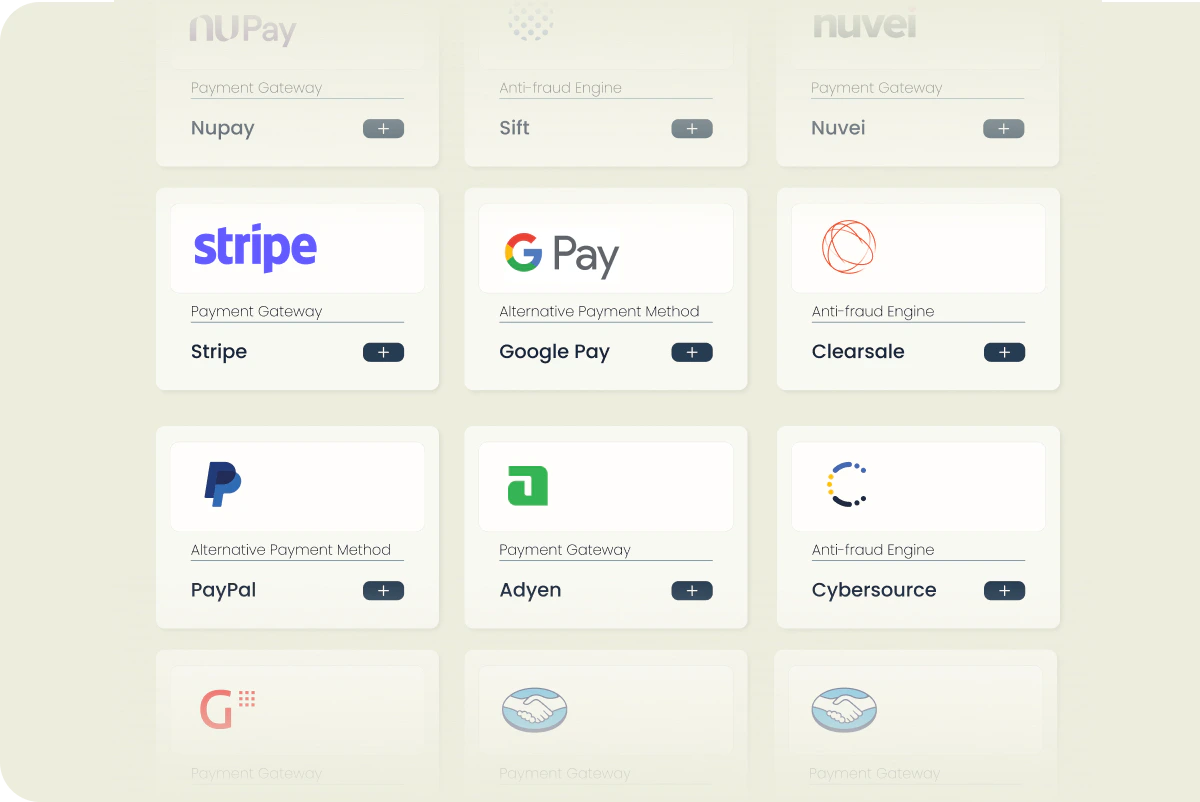
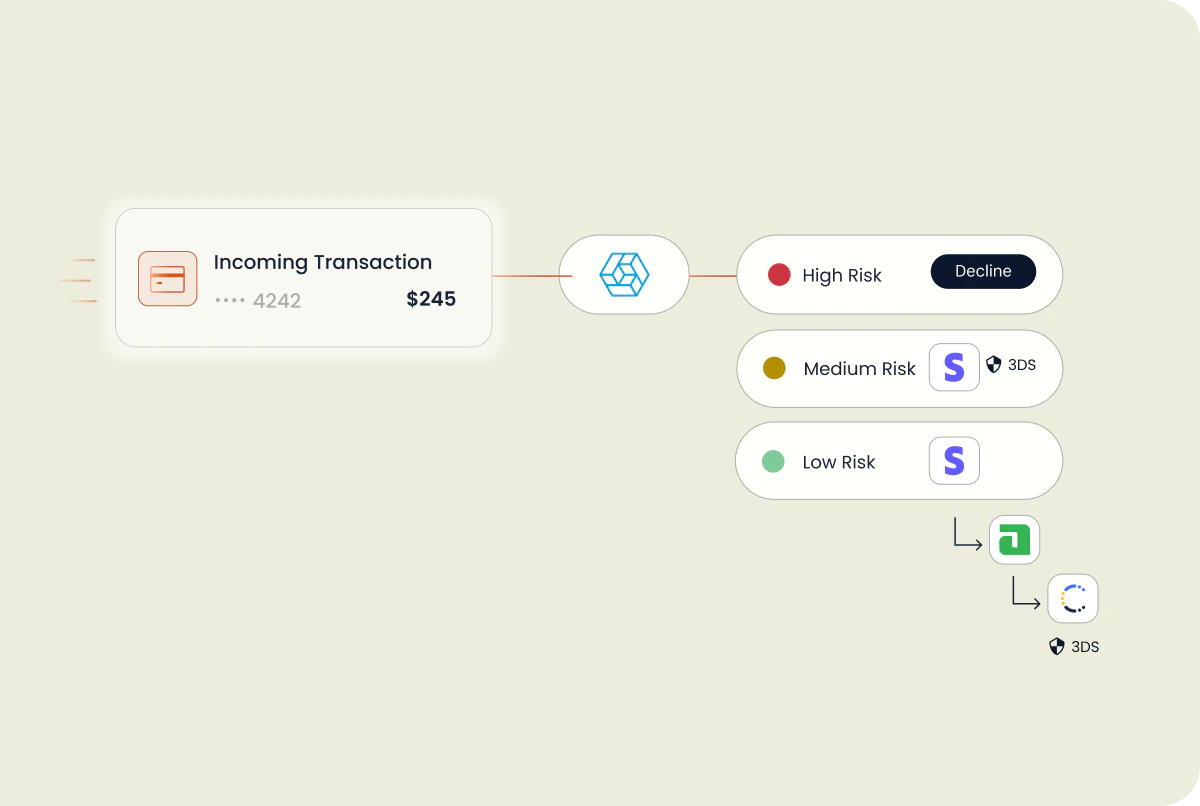
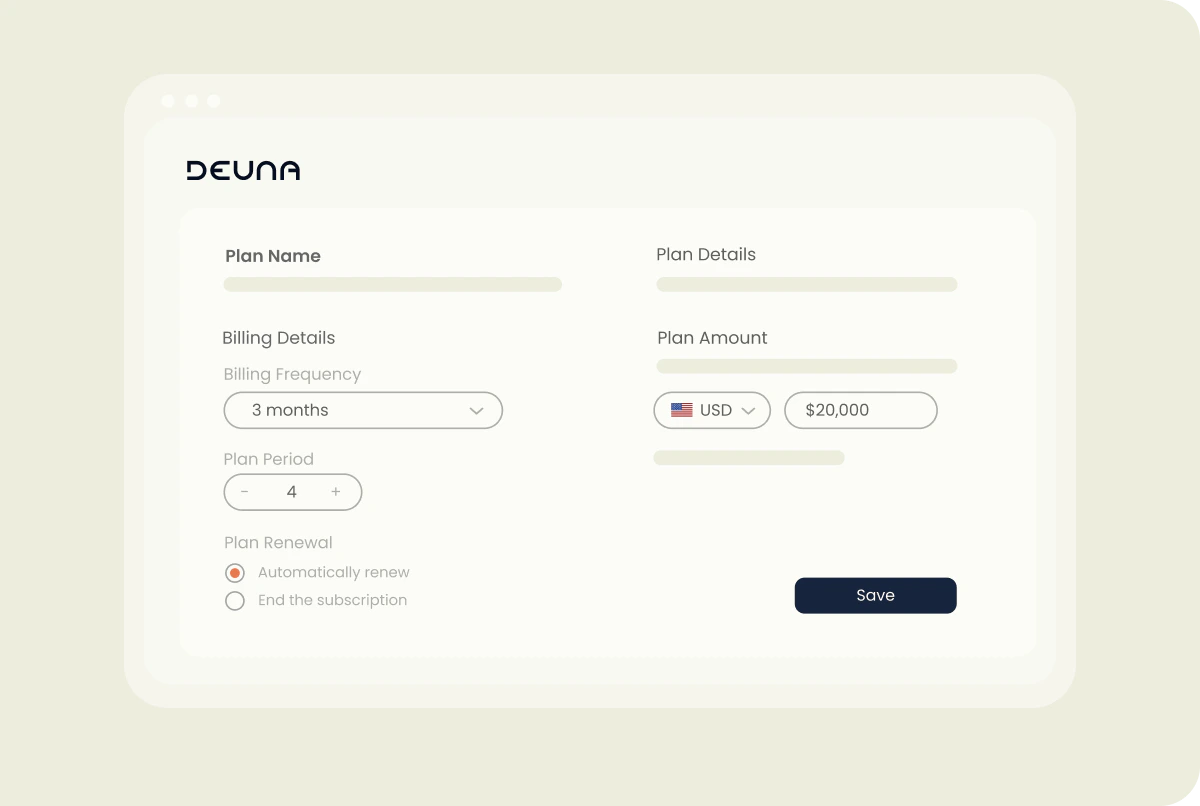
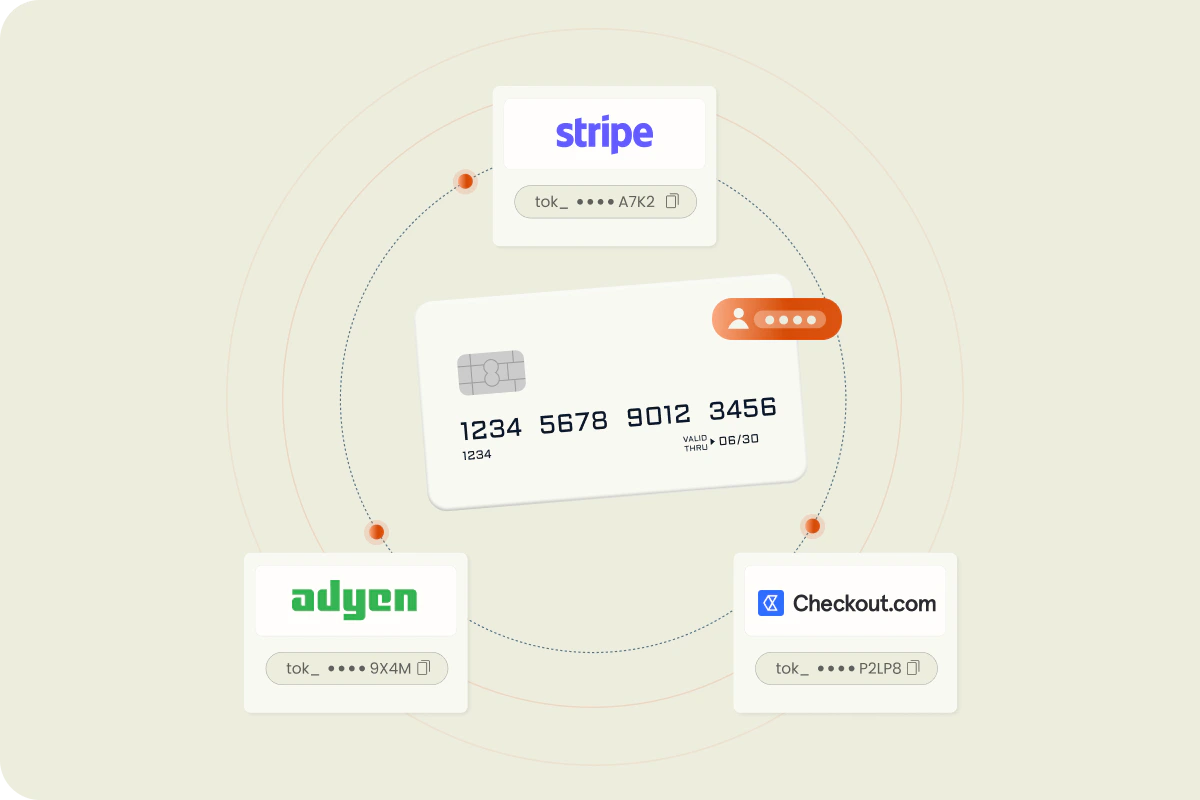
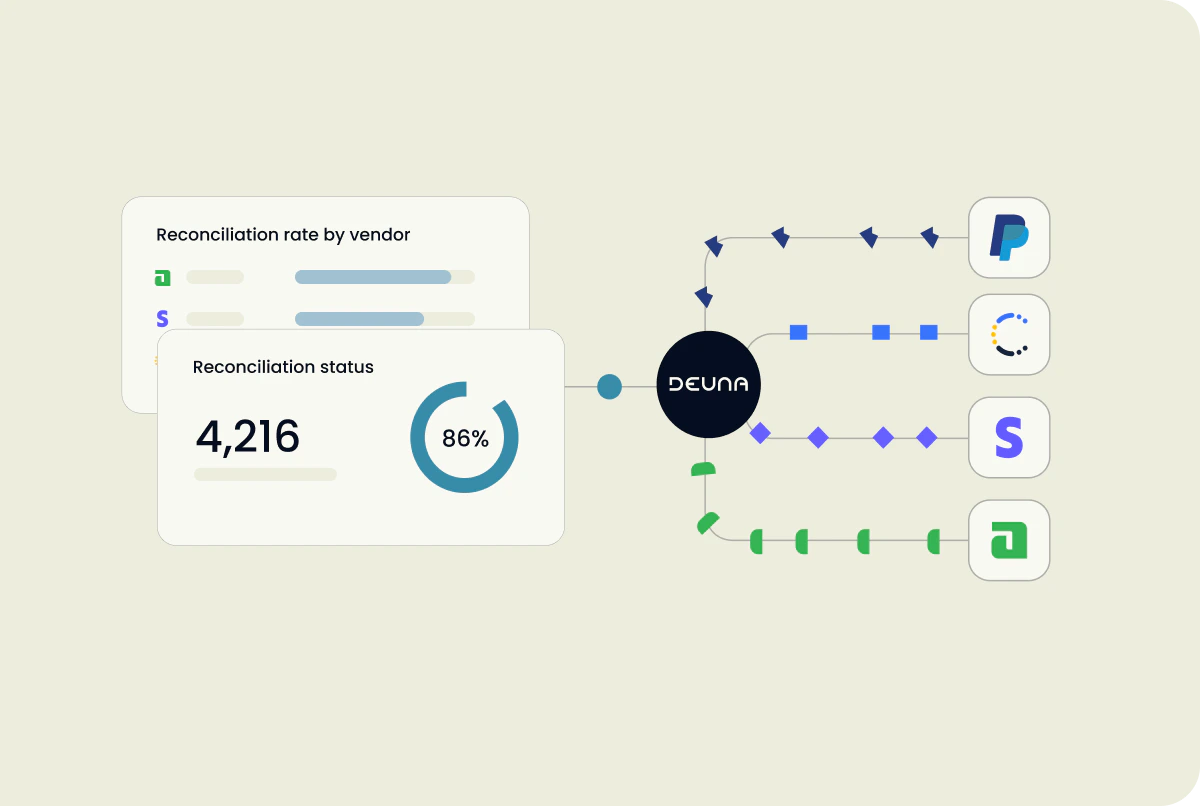
Payments Infrastructure is the connected execution layer of DEUNA. It lets a merchant integrate once, enable compatible providers and payment methods, control the customer experience and routing policy, and operate the payment lifecycle through one set of platform concepts.
Provider, country, method, and operation availability depends on the merchant account and each connection. Use the Provider capabilities catalog as the public source of truth and confirm production enablement with your DEUNA Technical Account Manager.
Infrastructure capabilities#
How a payment moves through the platform#
Build with explicit boundaries#
- Keep private API credentials on merchant-controlled backend services.
- Treat browser redirects and SDK callbacks as customer-experience signals; retrieve or receive the authoritative payment state.
- Use idempotency on supported side-effecting operations and reconcile an uncertain outcome before retrying.
- Configure only providers and capabilities confirmed for the target account, environment, country, and payment method.
- Preserve the original order and attempt identifiers across routing, retries, refunds, disputes, and reconciliation.
- Separate a successful request submission from a final provider or financial outcome.
Connect intelligence and agents#
Payments Infrastructure can supply normalized transaction outcomes to Payments Intelligence. Supported Agentic Optimization decisions can then run within the payment flow without adding a separate decision hop, while static policy remains available as a fallback.
Prepare for production#
- Confirm merchant accounts, environments, credentials, providers, methods, and countries.
- Select the integration experience and complete sandbox end-to-end tests.
- Define routing, fraud, authentication, capture, timeout, and fallback behavior.
- Validate asynchronous webhooks and operational reconciliation.
- Test success, pending, decline, timeout, duplicate, redirect, and uncertain-outcome scenarios.
- Confirm support ownership, observability, rate limits, and provider-specific go-live requirements.